



Disclaimer: This article is for informational purposes only. Streaming plans, pricing, channel availability, and features can change at any time. Always confirm current details directly on each service’s official website before subscribing.
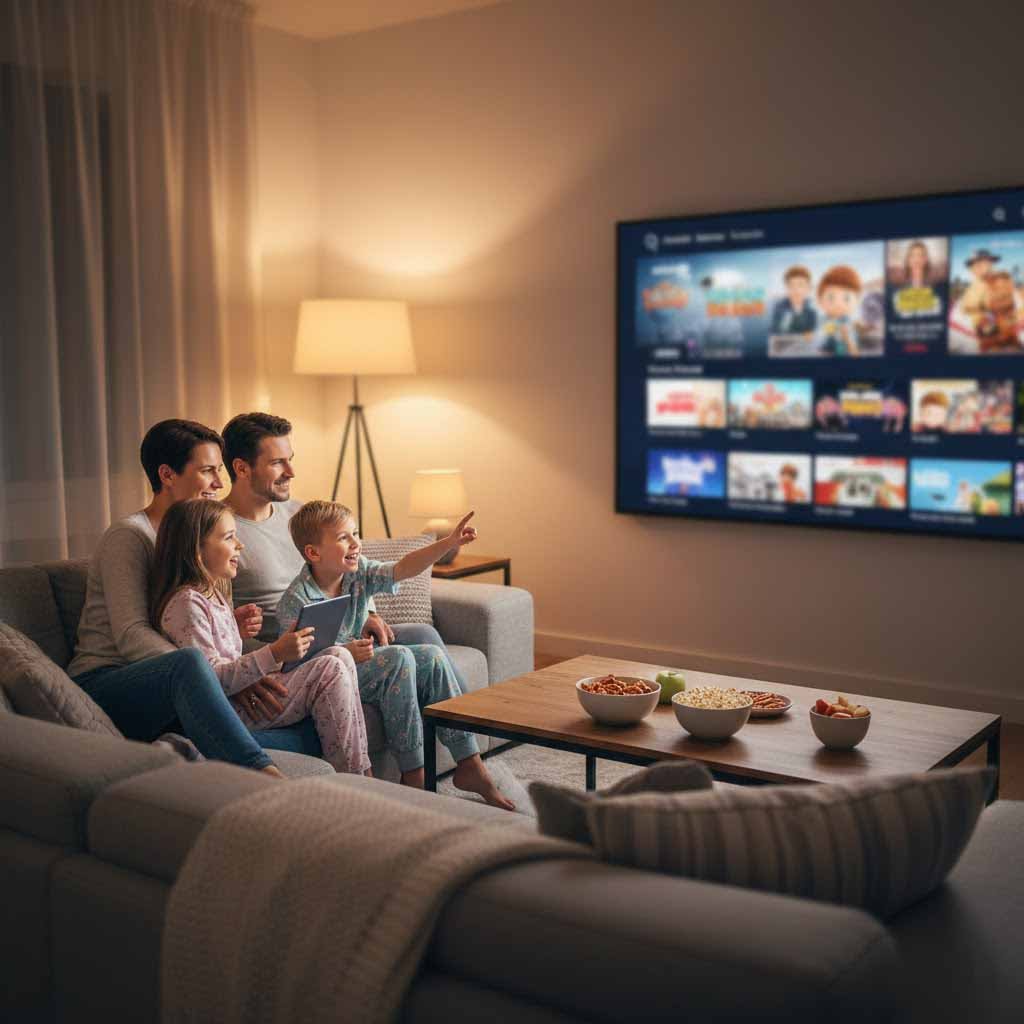
In Streaming Trends 2026, Americans are watching differently than they did even a year ago, not because they suddenly changed taste, but because the streaming “menu” changed, prices moved, and discovery got harder.
This guide breaks down what people are actually gravitating toward, from prestige drama and true crime docuseries to sports and free channels, and how to pick the best way to watch without wasting money.
Introduction, what “watching now” really means in 2026
A few years ago, “What are you watching?” usually implied one platform, one show, one cultural moment. In 2026, that question has split into three separate questions.
- What are people in the mood for, because attention spans are real and schedules are messy.
- Where is it available, because rights shift and titles move.
- What is the cheapest way to watch without friction, because costs keep rising and nobody wants to manage six renewals.
The author of this guide has kept a simple viewing log for months, not as a hobby flex, but as a practical way to understand why certain nights turn into effortless viewing and other nights become endless scrolling.
The patterns are consistent. When people feel subscription fatigue, they stop experimenting and default to what is easiest. When they are price-sensitive viewers, they trade paid subscriptions for lower-cost options.
When discovery becomes a chore, the content discovery problem becomes the real competitor to every streaming app, not another platform.
The 3 forces that keep showing up in real viewing habits
Cost pressure: households want to enjoy entertainment without feeling nickeled-and-dimed. This is where ad-supported tiers and rotating subscriptions come in.
Convenience pressure: people want an answer, not a scavenger hunt. When search and recommendations fail, viewers lean heavily on cross-platform search and word-of-mouth.
Event pressure: the fastest way to bring people back to the living room is still live viewing, powered by live sports rights, news livestreaming, and next-day TV streaming.
What this article will help you do
- Decide what to watch tonight, and avoid endless scrolling, using a simple process that answers how to find something good to watch tonight without burning 20 minutes.
- Pick platforms logically, not emotionally, with a practical way to evaluate how to compare streaming services side by side.
- Build a setup that works for a real household, including multiple profiles per household and parental controls, without turning the TV into a daily negotiation.
A final framing point matters here. The shift away from cable is not just about canceling one bill. Modern cord-cutting behavior looks more like constant optimization, a monthly set of tradeoffs that most people never wanted to become experts in.
Streaming Trends 2026 in the USA: The Forces Shaping What We Watch
If there is one big takeaway from 2026, it is that Americans are not just choosing shows, they are choosing systems. The “system” includes price, friction, quality, and how likely it is that a family can share a TV without arguing.
Cord-cutting behavior is no longer one move, it’s a sequence
The “stack” mindset
In practice, households build a stack. One or two paid subscriptions, something for sports or live channels, and at least one free option for casual viewing. The stack changes monthly, not annually. This is where content bundling deals become powerful because they reduce decision fatigue, and they reduce the feeling that every show requires a new checkout flow.
Why churn is the new normal
In 2026, many platforms operate as if cancellation is expected, then they compete to be the service people return to first. That reality drives churn reduction strategies, like extending big releases across weeks, emphasizing returning franchises, and making the “come back” moment feel easy.
Subscription fatigue meets ad-supported tiers
A few years ago, ads felt like a step backward. In 2026, many households treat ads as a lever. The question is not “ads or no ads,” it is “ads where they do not ruin the experience.”
is the cheaper plan with ads worth it
It depends on the kind of viewer. For someone watching reality competition shows while multitasking, ads are tolerable. For someone watching a quiet drama at night, ads can break the mood. The author’s rule of thumb is simple: keep ads for background viewing and comedy, avoid ads for movies and prestige series where pacing matters. This is also where household economics show up. For price-sensitive viewers, the cheaper plan often preserves a subscription that would otherwise be canceled.
Content bundling deals are the quiet winner
Bundles are not exciting, but they are effective. They reduce the mental load of managing several subscriptions and can lower costs without turning entertainment into a constant hunt for coupons.
how to reduce streaming costs with bundles
A practical checklist that works for U.S. households:
- List the “must-have” categories for the next 30 days (sports, kids, one specific show, background TV).
- Decide which devices matter most (main TV, phone commuting, tablet for kids), because multi-device streaming changes what “value” means.
- Keep one “always on” subscription, rotate everything else monthly.
- Add one free option to fill gaps, which reduces the pressure to keep paid services year-round.
Release strategies that change behavior (and conversations)
A streaming release schedule is not just marketing, it changes how people talk about shows, how long they stay subscribed, and whether a series becomes a shared cultural moment.
Weekly episode drops vs binge-release model
In 2026, the release format often signals what the platform wants from a show. A weekly rollout encourages conversation and retention. A full season drop satisfies viewers who want to finish a story quickly.
are weekly releases better than dropping a full season
Weekly releases are better for people who like discussing episodes with friends, and for households that want a regular “TV night.” Full season drops are better for viewers who hate cliffhangers and prefer control. The author’s viewing log shows that weekly schedules also reduce “forgetting,” because the show keeps reappearing on the home screen over time.
How release schedules shape subscription decisions
A staggered calendar keeps a service relevant for longer. When a platform spreads releases across months, it lowers the urge to subscribe for one weekend and cancel immediately.
Original series pipeline and why “exclusive” matters
A big part of platform identity is the original series pipeline, because originals are the only titles that cannot be easily replaced by another service’s catalog.
what does exclusive mean on streaming services
“Exclusive” typically means a platform has the rights to be the only place you can stream that title for a period of time. It may be permanent, or it may be a window. For viewers, the practical implication is that availability can change even if the show feels “owned” by a platform.
why some shows leave a platform suddenly
Licensing windows expire, studios repackage catalogs, and contracts change. From a user perspective, the takeaway is to use watchlists, and if something matters, do not assume it will be there next month.
What genres Americans are gravitating toward (and why)
Genre is not just taste, it is a response to modern life. People choose formats that match their energy, their schedule, and whether they are watching alone or with others.
Prestige drama is still the “appointment TV” of streaming
High-quality dramas work because they create a ritual. Many viewers treat them like a nightly decompression tool. In the author’s log, this category is what people save for the biggest screen, late evening, minimal distractions, and ideally no ads.
True crime docuseries keep winning attention
This category attracts viewers because it combines narrative momentum with real-world stakes. But it also demands responsibility. Ethical viewing means avoiding sensationalism and being mindful about what is appropriate for kids.
top new docuseries everyone is talking about
A useful way to evaluate a docuseries without getting pulled into hype:
- Does it center victims respectfully?
- Does it rely on shock, or on reporting?
- Does it add new insight, or recycle headlines?
- Is it something you would recommend to a friend without caveats?
Unscripted reality competitions are the social watch
These shows work because they are easy to enter and easy to discuss. They are also tolerant of distraction, which matches modern viewing habits.
best reality TV to stream with friends
This is where watch-party features shine, because the experience is the point, not just the plot. It also aligns with second-screen engagement, since these shows remain enjoyable even if someone is also texting or scrolling.
Stand-up comedy specials are the “easy yes” format
In 2026, many people want low-commitment entertainment. Stand-up comedy specials fit perfectly because a viewer can commit to 45 to 70 minutes, finish, and feel satisfied. They also travel well across devices and work in short blocks of time.
Anime licensing and Korean drama popularity keep expanding U.S. taste
Two of the clearest trend drivers are international catalogs and fandom-led discovery.
Where Crunchyroll fits for anime licensing
When people talk about anime licensing, they are really talking about availability and exclusivity. Crunchyroll has become a natural reference point for viewers who want depth, variety, and consistent updates in that genre.
Korean drama popularity as a gateway to broader catalogs
Korean drama popularity has also changed how American viewers explore. Many people start with one recommended title, then use the same discovery path to explore other regions and genres. It is not only a trend, it is a habit shift.
Franchise spin-offs and the comfort of familiar worlds
In a crowded market, familiarity reduces friction. Franchise spin-offs succeed because viewers already understand the world and the tone, so the commitment feels lower. This is another quiet answer to the content discovery problem, because it narrows choices.

Live viewing is back, just delivered differently
When viewers have to pick one thing to watch at a specific time, they want it to feel worth it. Live content creates urgency, and urgency reduces choice paralysis.
Live sports rights are shaping subscriptions more than any single show
Sports are the most common reason households keep a paid service even when they cancel everything else. It is the category that turns entertainment into a calendar.
best places to watch live sports without cable
In the U.S., many households evaluate live TV options first, then add entertainment subscriptions later. Common choices include YouTube TV, Sling TV, and Fubo, plus add-on sports apps like ESPN+ and network offerings such as FOX Sports, NBC Sports, and CBS Sports. The tradeoff is usually price vs coverage vs local channels.
NFL Sunday Ticket and the sports superfan stack
For fans of the National Football League, packages like NFL Sunday Ticket can be the centerpiece of the whole setup, with other services built around that one priority.
Basketball, baseball, and college events drive seasonal subscriptions
The National Basketball Association, Major League Baseball, and NCAA March Madness tend to trigger seasonal behavior, subscribe for the season, pause afterward, repeat next year.
Next-day TV streaming and local broadcast simulcasts
This is the middle path for people who want to stay current but do not want a full live TV package.
where can I stream local channels in my city
The answer depends on market, station agreements, and device setup, but the concept is consistent. Local broadcast simulcasts bring local programming into streaming environments, sometimes through live TV services, sometimes through station apps. The practical advice is to check local availability first, then choose the simplest option that covers the channels that matter.
News livestreaming without turning the home into a cable bundle again
Many viewers want quick access, then they want to leave. The best approach is to keep news viewing intentional and short, and to use settings that limit autoplay and reduce noise. This is about control and focus, not ideology.
FAST is the “third lane” Americans are using more
FAST has become the “I just want something on” solution that does not require another subscription decision.
what is FAST TV and how does it work
FAST stands for free ad-supported streaming TV. Instead of paying monthly, viewers watch scheduled channels or free libraries supported by ads. For many households, it functions like modern cable-lite, but without the bill.
The top FAST destinations and why they work for casual viewing
FAST works best when the experience is immediate. Open the app, pick a channel, press play. Platforms frequently mentioned in U.S. households include Tubi, Pluto TV, and Freevee. On many living room setups, Roku also matters because it influences what shows up first and what gets recommended on the TV’s main interface.
On-demand libraries vs FAST channels, when each wins
On-demand libraries win when a viewer wants control. FAST wins when a viewer wants momentum and zero decisions. Many people use FAST for background viewing and save on-demand for shows they truly care about.
The platform landscape in the U.S., how people actually mix services
The most useful way to think about platforms in 2026 is not “which one is best,” but “which combination fits this household’s month.”
The “big 9” subscription apps most households compare
Households frequently compare Netflix, Disney+, Hulu, Max, Prime Video, Apple TV+, Peacock, Paramount+, and AMC+. Each has strengths, and the best choice depends on whether the household wants breadth, kids content, prestige series, franchises, or casual background viewing.
which streaming service has the best originals
A practical, bias-resistant scoring rubric:
- Volume: is there enough new content to justify a monthly fee?
- Hit rate: how often does a new release feel worth finishing?
- Rewatch value: are there comfort shows people return to?
- Family fit: does it work for a mixed household without constant negotiation?
When the author uses this rubric, the answer varies by household. “Best” is not universal, it is contextual.
Live TV streaming services as cable replacements
Live TV streaming has become a modular version of cable. It is easier to start and stop, but it can still become expensive if a household adds every add-on.
what’s the difference between live TV streaming and on demand
Live TV streaming is designed around channels, schedules, and often a DVR-like experience. On demand is designed around libraries and choice, with no need to tune in at a specific time. The cost drivers differ too. Live TV pricing reflects channel bundles, sports rights, and local coverage, while on-demand pricing reflects catalog size, originals, and download features.
Measurement and “what’s popular” signals
Trend headlines often rely on different measurement systems, which is why rankings can conflict.
The names that come up frequently in industry reporting include Nielsen, Parrot Analytics, Samba TV, and Comscore. Each offers a different lens, and none equals “the truth” for every household.
How the author interprets trend headlines without getting misled
A simple approach:
- Treat popularity lists as discovery tools, not verdicts.
- Look for consistency across multiple sources, not one chart.
- Compare “minutes watched” style metrics with “social buzz” style metrics, they often tell different stories.
- Remember that what is popular nationally may not match a household’s taste.
Discovery, algorithms, and the new “where did my time go” problem
People do not quit streaming because they hate shows, they quit because they cannot find them quickly. The market has matured to the point where discovery is the bottleneck.
Personalized recommendations and algorithmic curation
Personalized recommendations are helpful when the system understands a viewer’s taste. They are frustrating when multiple people share one profile, or when the platform over-learns one temporary binge.
Algorithmic curation can be “trained” in simple ways. Keep separate profiles, remove titles from watch history when possible, and actively rate or like content when the platform supports it. These small actions reduce irrelevant suggestions over time.
best apps for discovering new shows
Many viewers use discovery apps or guides because they want cross-service visibility. The most effective approach is to use a tool that supports filters like “where to watch,” “free vs paid,” and “ads vs no ads,” then bring that answer back to the TV.
Smart TV home screens and streaming device ecosystems
Smart TV home screens influence choices more than people admit, because convenience wins. The first row on the TV often becomes the decision. That is why streaming device ecosystems matter, they shape what is suggested, what is searchable, and what “feels” available.
Cross-platform search tips that actually save time
A viewer can reduce decision time significantly by searching the title once, then filtering by:
- price (free, subscription, rental)
- format (movie, series, live)
- video quality (4K availability)
- whether the version includes ads
This is the practical fix to the content discovery problem, and it is the least glamorous advantage that wins in daily life.
Household realities, sharing, and trust settings
A streaming setup has to work for real people, not just a solo viewer with perfect taste and unlimited time.
Multiple profiles per household, keeping tastes separated
When households share one profile, recommendations become chaotic. Separating profiles improves discovery and reduces accidental spoilers.
how to manage multiple profiles in one account
A simple system that works:
- One profile per adult, one for kids, optionally one shared “family night” profile.
- Turn off autoplay previews when possible, they can confuse kids and irritate adults.
- Use profile PINs if the platform supports them, not for secrecy, but for stability.
Password sharing limits, what changed culturally and practically
Platforms increasingly push households toward defined sharing rules. The intent is straightforward: reduce unpaid usage. For viewers, the practical move is to align a plan with how the household actually lives, rather than forcing workarounds that create stress.
can I share my streaming password with family
The safest answer is to follow the service’s household policies and choose a plan that matches reality. If relatives live in different homes, some services allow add-ons or extra members. The practical tip is to make one person responsible for billing and account settings, and keep communication simple.
Parental controls, content rating systems, and family safety
Family streaming works when boundaries are clear and easy to maintain.
best family friendly streaming options
A good evaluation goes beyond “kids content.” Look for:
- strong parental controls
- clear content rating systems
- kid profiles with age filters
- the ability to lock mature profiles with a PIN
how to set up kid profiles on a smart TV
A straightforward approach:
- Create a dedicated kid profile inside the app, not just on the device.
- Enable age-appropriate ratings and disable purchasing if possible.
- Test it from the kid profile, do not assume settings applied correctly.
- Keep one adult profile locked with a PIN for household stability.
Data privacy settings and the question people avoid asking
Streaming is not just entertainment, it is data. Many viewers never check what is being collected.
do streaming services track what I watch
Most platforms collect watch history and interaction data to power recommendations and advertising. Viewers who care can take control by reviewing data privacy settings, turning off ad personalization when available, limiting watch history retention when possible, and being thoughtful about voice features on TVs and remotes.
The viewing experience, quality, buffering, and sound
Even the best content loses its magic if the playback experience is unreliable. In 2026, “quality” is not only the show, it is the stability of the system.
Multi-device streaming in real households
Households regularly split viewing across phone, tablet, laptop, and TV. The friction points are predictable. Someone starts a show on a phone, someone else wants the big screen, and the “continue watching” row becomes the negotiation table. A consistent system helps, including separate profiles and a clear “family TV time” plan.
4K HDR playback and immersive audio formats, when upgrades matter
Many viewers do not need to chase specs, but the right upgrades can dramatically improve movies and big event viewing.
4K HDR playback matters most for large screens and visually rich titles. Immersive audio formats matter most if the room has a soundbar or speakers that can reproduce them. Without that, the benefit is minimal.
how much internet speed do I need for 4K
A practical answer is that stable speed matters more than peak speed. Many households have “fast” internet but still buffer due to weak Wi-Fi. A wired connection for the main TV and a modern router often matters more than paying for the highest plan.
best sound settings for streaming movies
Simple settings that help:
- If using a soundbar, enable HDMI ARC or eARC if available.
- Set audio output to “bitstream” or “auto” if the TV supports it.
- Turn off “volume leveling” for movies, it can flatten dynamic range.
- Calibrate dialogue enhancement carefully, too much can sound artificial.
Fix the annoyances that quietly ruin streaming
why my video keeps buffering in the evening
Evenings are peak usage hours. Congestion can happen at the ISP level, but local Wi-Fi is often the culprit. The most effective fixes are relocating the router, reducing interference, adding a mesh node, or wiring the TV. It is also worth closing background downloads during big live events.
how to turn off autoplay on streaming apps
Autoplay can waste time, confuse kids, and make it harder to stop watching. Most platforms place this under playback settings or profile settings. Turning it off is a small change that improves sleep, reduces accidental spoilers, and makes the overall system feel calmer.
Social streaming, shared culture, and “what are we all watching”
Streaming can feel solitary, but in 2026 it is still a shared culture. The difference is that sharing happens through group chats, memes, and remote watch nights, not just watercooler talk.
Watch-party features and remote hangouts
how to watch the same show together remotely
A safe, simple approach:
- Pick a platform that supports synchronized playback, or use built-in party options where available.
- Use a regular voice call or group chat for commentary.
- Keep one person responsible for starting and pausing, to avoid chaos.
- If kids are involved, keep content ratings and timing consistent.
Second-screen engagement, how people watch while scrolling
Second-screen engagement is not laziness, it is modern attention. Reality and live sports thrive because they can be enjoyed while multitasking. Prestige dramas often suffer when watched this way, which is why many viewers “save” them for focused nights.
what shows are Americans binging right now
“Binging” often means different things. Sometimes it is finishing a season quickly. Sometimes it is repeating comfort shows in the background. The practical takeaway is to notice which type of binge a household does most, then choose platforms and plans that support that habit instead of fighting it.
Practical decision frameworks (so the reader leaves with a plan)
A good streaming setup should reduce stress, not create it. The author recommends treating subscriptions like a monthly utility decision, quick review, small adjustments, then stop thinking about it.
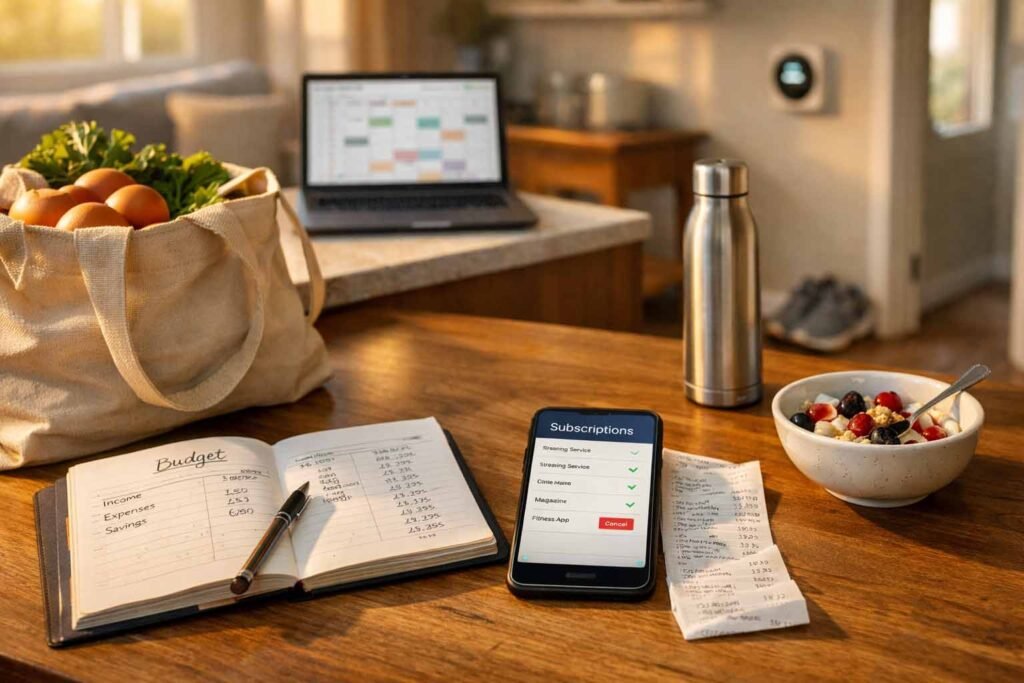
A simple monthly “streaming audit” the author recommends
how many subscriptions does the average household keep
Instead of chasing an average, a better tactic is to set a household cap and rotate. Many households do best with one “always on” service, one rotating entertainment service, and one free option. Sports can be a seasonal add-on rather than permanent.
how to cancel a streaming subscription the right way
A clean cancellation prevents surprise charges and reduces future confusion:
- Cancel inside the correct billing system, either the platform directly or the app store.
- Screenshot the confirmation, store it in a simple “subscriptions” folder.
- Remove the service from auto-renew lists, do not assume canceling on the TV cancels billing.
- Set a calendar reminder for the final billing date, then check the statement once.
where to watch award winning movies at home
A simple decision tree:
- If the movie is new, it may be rental-only for a period.
- If it is older, it may be in subscription libraries, but availability rotates.
- If you care about picture and sound, prioritize platforms and devices that support higher quality playback and stable streaming.
why do streamers keep raising prices
Prices rise due to content costs, sports rights, production budgets, and the economics of competing for attention. A viewer’s best response is to treat streaming as flexible. Use ad-supported tiers where it does not harm enjoyment, rotate subscriptions, and keep FAST as a pressure release valve.
Mini “platform match” examples (U.S. viewer personas)
These are not prescriptions, they are realistic starting points that reflect how people actually behave.
The family household
Key needs are stability and safety. That means parental controls, separate profiles, predictable recommendations, and a simple home screen workflow that does not confuse kids.
The sports-first household
This household builds around sports coverage. Live TV services and sports add-ons matter most, and entertainment subscriptions become secondary. The right choice depends on coverage priorities and budget.
The budget-first household
This household minimizes subscriptions and leans on free options, rotating one paid service only when there is a must-watch season or sports event. The goal is maximum entertainment with minimal recurring cost.
The cinephile and prestige watcher
This household cares about quality and story. They prioritize strong originals, high picture quality, and low friction. They also care about recommendations and watchlist management, because they are more likely to notice when the algorithm gets weird.
FAQs
FAQ 1: What shows are Americans binging right now
A better way to answer this is by type, comfort rewatches, weekend season binges, and “one episode a night” dramas. The healthiest approach is to match the viewing style to the household’s schedule, not to chase what is trending.
- Decide if the household is binge-first or routine-first
- Use separate profiles so recommendations stay accurate
- Keep one “low effort” option for weeknights
- Save high-focus shows for weekends or quiet nights
U.S. note: trending lists often differ by region and device, so results can vary between living room and mobile.
FAQ 2: Which streaming service has the best originals
There is no universal winner because “best” depends on whether viewers want volume, prestige, family content, or franchises. A simple scoring rubric makes the decision clearer and prevents buyer’s remorse.
- Score each service on volume, hit rate, and rewatch value
- Consider household fit, including kids and shared viewing
- Check if the service supports downloads for travel
- Reassess monthly instead of committing emotionally
U.S. note: plan features can vary by billing method, especially when subscribed through device stores.
FAQ 3: Is the cheaper plan with ads worth it
It can be, especially for background viewing and casual shows, but ads can harm the experience for movies and serious dramas. The smartest approach is to mix, ads on one service, ad-free on the service used for “special” viewing.
- Use ad plans for casual and daytime watching
- Keep ad-free for movies, dramas, and late-night viewing
- Test for one month before committing
- Turn off autoplay where possible to reduce ad overload
U.S. note: ad load and plan pricing can vary over time, so check the plan details before upgrading or downgrading.
FAQ 4: Best places to watch live sports without cable
The best option depends on which leagues matter and whether local channels are needed. Many households choose a live TV streaming service for broad coverage, then add league or network apps for specific gaps.
- List the leagues and teams that matter most
- Confirm local channel availability first
- Compare DVR and delay features if live timing matters
- Consider seasonal subscribing for cost control
U.S. note: regional sports and blackout rules can affect availability by market.
FAQ 5: Where can I stream local channels in my city
Local channels may be available through live TV streaming services, station apps, or market-specific arrangements. The simplest path is to check what is available in the ZIP code, then choose the smallest package that covers the needed channels.
- Identify the exact channels needed
- Check availability by city or ZIP code
- Compare live services vs station apps
- Test on the main TV, not only on a phone
U.S. note: local availability can differ widely between cities due to station agreements.
FAQ 6: Are weekly releases better than dropping a full season
Weekly releases are better for shared conversation and retention, full season drops are better for control and fast completion. Viewers should choose based on whether they prefer community or convenience.
- Weekly if you like discussion and anticipation
- Full season if you hate waiting and spoilers
- Use watchlists to track weekly drops
- Avoid starting weekly shows if you prefer to binge later
U.S. note: weekly scheduling can be tied to billing cycles, which affects when to subscribe.
FAQ 7: How to reduce streaming costs with bundles
Bundles work when they match real viewing habits, not when they are purchased “just in case.” The best method is to set a household cap and rotate subscriptions around seasons and events.
- Choose one always-on service, rotate the rest
- Add a free option to reduce pressure to keep paid plans
- Bundle only if you use at least two included services
- Re-check the bundle value every 60 to 90 days
U.S. note: bundles and promos change frequently, so confirm current terms before switching billing.
FAQ 8: What is FAST TV and how does it work
FAST is free ad-supported streaming TV that behaves like modern cable-lite, channels plus some on-demand content, funded by ads. It is ideal for casual viewing and for households that want variety without another bill.
- Use FAST for background and casual watching
- Keep paid services for must-watch originals
- Try multiple FAST apps, interfaces differ
- Use favorites to reduce scrolling
U.S. note: content libraries can vary by region and can rotate over time.
FAQ 9: Do streaming services track what I watch
Most services track watch history and interactions to improve recommendations and, in some cases, target ads. Viewers can reduce tracking by checking privacy settings, limiting ad personalization, and using separate profiles.
- Review privacy settings inside each app
- Turn off ad personalization where available
- Manage watch history if the service allows edits
- Use separate profiles for each household member
U.S. note: privacy options can differ by state, device type, and whether the plan is ad-supported.
FAQ 10: What’s the difference between live TV streaming and on demand
Live TV streaming centers on channels and schedules, often with DVR features. On demand centers on libraries you can start anytime, with fewer schedule constraints.
- Choose live TV if sports and locals matter most
- Choose on demand if flexibility and library depth matter
- Compare total monthly cost including add-ons
- Test streaming stability on the main TV first
U.S. note: local channel availability and sports packages are often the deciding factors.
Author Bio
Merrick is a digital media writer who covers streaming, TV platforms, and how U.S. households actually watch at home. Published by Ahmed Saeed.