

Disclaimer: This article is for informational purposes only and reflects general lifestyle observations in the United States. It is not medical, legal, or financial advice, for personal guidance, consult qualified professionals.
It is getting harder to describe daily life in the U.S. with one simple label. Groceries cost more than people expect, subscriptions quietly renew, screen time sneaks upward, and work schedules feel like a puzzle that never quite solves itself.
In the middle of all that, American Lifestyle Trends 2026 is not about flashy fads, it is about the small, repeatable decisions people make to protect their money, their time, their health, and their attention.
This guide focuses on the biggest shifts showing up across households, friend groups, and workplaces. It covers what is changing, why it matters, and what a reader can realistically do next. The examples are U.S. specific, but the logic travels well.
A quick note on perspective and trust: the observations here are grounded in what people are doing and saying, plus what this writer has personally tracked in everyday routines like budgeting, home setup, and shopping choices.
None of this is medical or financial advice, it is a practical map of what is working for real people right now.
American Lifestyle Trends 2026, the big shifts in how we live
A trend is not a headline, it is a behavior that repeats at scale. The reason 2026 feels like an inflection point is simple, costs, tech tools, health awareness, and time management are colliding. What looks like “culture” is often a direct response to constraints.
Here is the at-a-glance list of the shifts this article breaks down:
- U.S. consumer behavior shifts toward systems, not splurges
- Budgeting becomes a household routine, not a yearly reset
- subscription fatigue triggers aggressive pruning
- The secondhand economy becomes a default, not a backup
- The hybrid work lifestyle evolves into calendar-first living
- mindful technology use replaces always-on scrolling
- wellness-first routines become daily operations
- Food planning scales up through meal prep culture and smart shortcuts
- Social life tilts toward low-alcohol socializing and the sober-curious movement
- Home upgrades focus on home energy efficiency and friction reduction
- Community, pets, and creators reshape what people trust and buy
What Americans are prioritizing in daily life
The pattern is consistent, time, money, health, energy, and attention. “Value” is no longer just a shopping decision, it is a lifestyle filter. That shift is visible in modern living habits, from how people plan meals to how they plan weekends.
Money and shopping, the value era is no longer optional
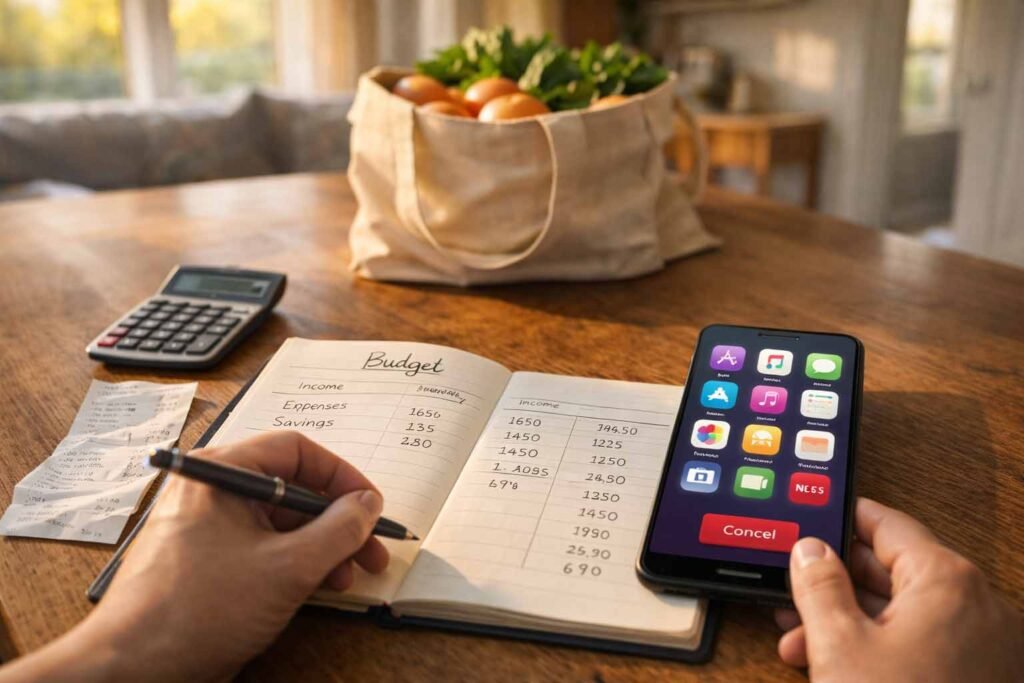
The new baseline, budgeting is now a household system
When prices feel unpredictable, people stop relying on willpower and start building systems. The most effective cost-of-living coping strategies are boring on purpose, they reduce decision fatigue.
New ways people budget at home
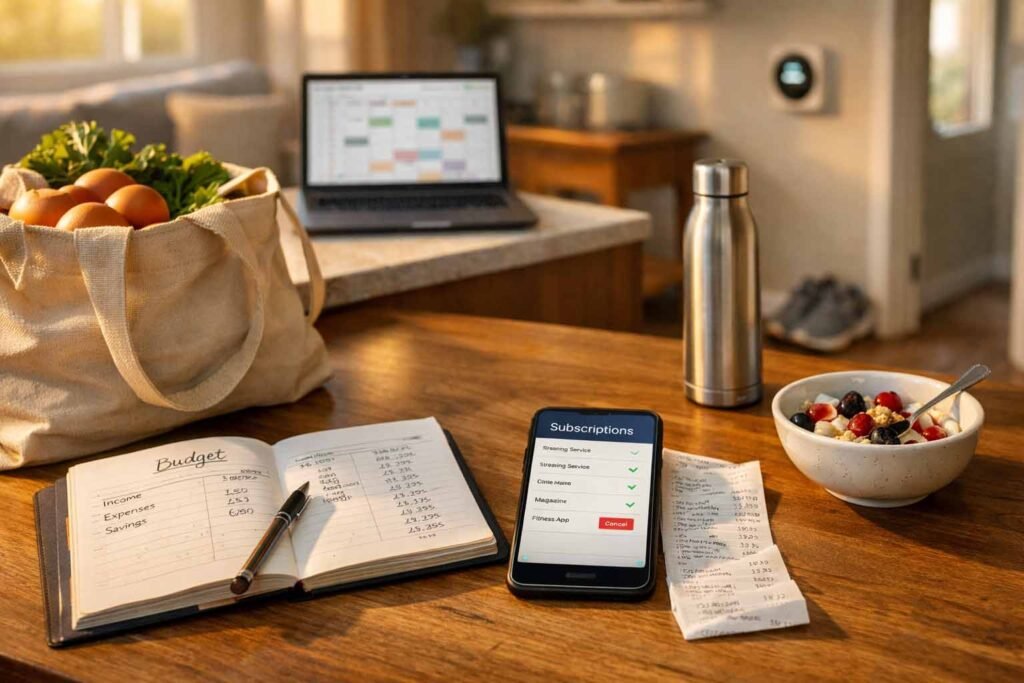
Many households are adopting a “fixed bills first” approach, then building flexible categories around what actually changes week to week. Instead of waiting for a monthly surprise, they do quick weekly check-ins.
Practical examples that keep showing up:
- A grocery cap that is reviewed weekly, not guessed monthly
- A fuel or transit cap that accounts for commute days
- A subscription audit (more on that below)
- Cash-back stacking for predictable purchases, done carefully, without chasing points
This writer tested a simple version of this system by tracking every recurring charge for 30 days. The biggest surprise was not the total, it was how many small renewals were invisible until they were written down.
How families are reducing monthly expenses
The most common approach is not extreme cutting, it is strategic trimming:
- Renegotiating internet or phone plans
- Switching insurance tiers where appropriate
- Buying in bulk for staples, then stopping there
- Delaying upgrades that do not change day-to-day life
- Choosing “buy less, buy better” for items that last, and “buy used” for items that do not
These frugal living tips work because they protect the essentials while leaving room for normal life.
What value shopping means right now
If a household had to define value in 2026, it would sound like this: total cost of ownership, durability, warranty, repairability, return policy, and time saved. Price still matters, but value is broader.
Big retailers fit into this because they make comparison shopping easy. Many families rotate between Walmart, Costco, Target, and Amazon depending on what they need, and how fast they need it. That is value-driven shopping in practice, not as a slogan.
Subscription fatigue and the “cancel culture” that actually saves money
Subscriptions were convenient when there were only a few. Now they pile up.
How to avoid subscription overload
A realistic approach looks like:
- List every subscription in one place (streaming, apps, memberships, boxes).
- Sort by “used weekly” vs “used monthly” vs “forgotten.”
- Cancel the forgotten ones first, then downgrade the “monthly” ones.
- Convert truly essential services to annual only if the household can afford it safely.
- Use pause features when available.
This applies to entertainment too. Households commonly rotate streaming rather than keeping everything at once, especially with services like Netflix. Music tends to stick because it is used daily, but even Spotify gets reviewed when budgets tighten.
Why fewer people are buying new items
A visible shift is happening in closets, garages, and home storage, people want fewer items, and they want the items they keep to earn their space.
Why secondhand shopping is growing
Price is one reason, but not the only reason. People also like uniqueness, sustainability, and the “thrill of the find.” The secondhand economy now feels mainstream across categories, home decor, furniture, kids items, and clothing.
How resale apps affect buying decisions
People are checking resale value before buying new. resale marketplaces are becoming a price anchor, and also a decluttering tool. When an item can be resold later, it feels less risky to buy it today.
How this writer would document the shift as a publisher
What feels most “real” is not a single big change, it is the accumulation of tiny habits. The author’s most effective savings came from boring changes, not extreme cutbacks. Tracking recurring charges for 30 days created clarity instantly, and clarity created action.
Credibility anchor that fits this section
For readers who like hard context, public data from the U.S. Bureau of Labor Statistics (BLS) can be a useful reference point for broad spending categories, inflation context, and employment trends. It does not replace a household budget, but it explains the environment.
Work and time, lifestyle now follows the calendar, not the office
If money is the first constraint, time is the second. People are building lifestyle systems around schedules.
Hybrid and remote are evolving, not disappearing
What hybrid work looks like day to day
The pattern is increasingly common: meeting-heavy days grouped together, deep work days protected, and commute days treated like a different category of life. Home setup is becoming a “quality of life” purchase, not a luxury, because it directly affects energy.
This is the lived reality of the hybrid work lifestyle, it is less about where work happens, and more about how weeks are structured.
Remote-first careers and the new competition
With remote-first careers, hiring pools widen. Communication, portfolios, and reliability matter more than titles. Tools also matter, but the best tool is the one that reduces friction.
Many people use Google apps for collaboration, while AI assistants like OpenAI are used for drafting, summarizing, planning, and turning messy notes into clean outlines. The smart way to use AI at work is not to outsource thinking, it is to reduce busywork.
The rise of micro-retirement planning
micro-retirement planning is the idea of taking intentional breaks between intense work seasons, not waiting for one distant finish line. It fits people with flexible roles, strong savings habits, or project-based work, and it can be risky for those with unstable income, limited benefits, or tight caregiving responsibilities.
The most practical version is modest, a short break planned with clear boundaries, not a dramatic life reset.
Author note
The author now plans the year in quarters rather than months. That framing makes rest feel intentional and makes work seasons easier to manage.
Tech boundaries and AI at home, less noise, more utility
People are not rejecting technology, they are learning to set terms.
Attention becomes a health metric
Best practices for healthier screen time
The most effective best practices for healthier screen time are small and consistent:
- Notification cleanup, keep only what is urgent
- App timers for the “endless” apps
- Device-free zones (meals and bedrooms are common)
- Shared family rules that adults follow too
That is mindful technology use in the real world, not a perfect detox fantasy.
Digital detox culture, what works and what is performative
digital detox culture is evolving from “delete everything” to “create friction.” Mini detoxes work better than dramatic ones, for example Sunday mornings, or a no-scroll rule after 9 pm. The goal is not shame, it is control.
How AI tools change home routines
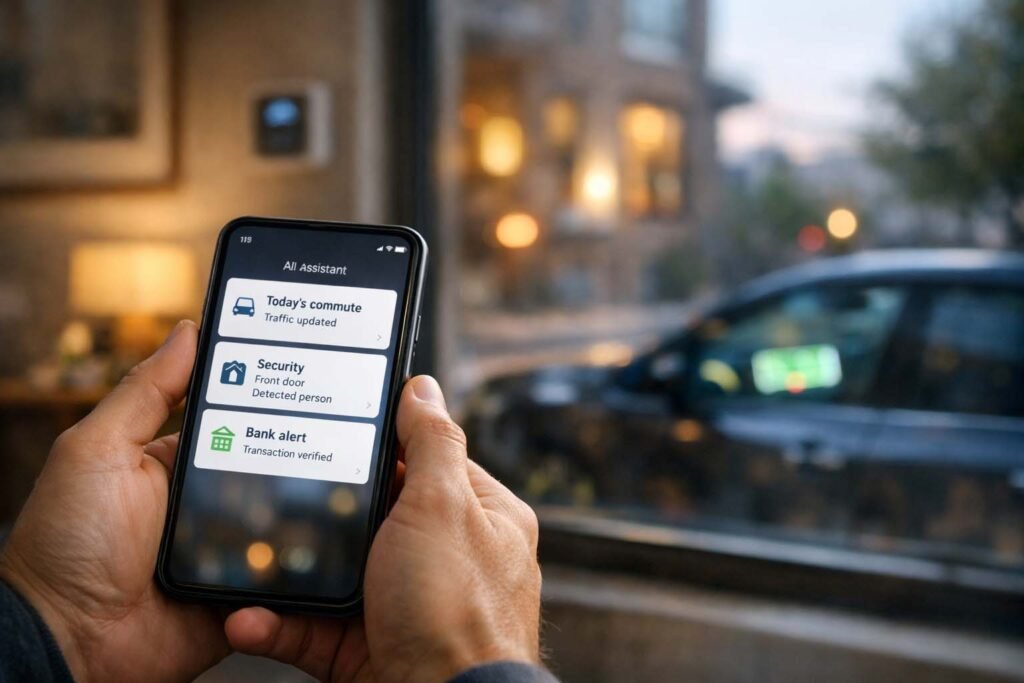
Households are already using AI in simple ways, meal planning assistance, budgeting templates, schedule coordination, home maintenance reminders. The best approach is to keep privacy boundaries clear and keep sensitive data minimal.
Platform examples people actually use (no endorsement)
Many households already live inside device ecosystems. In the Apple world, shortcuts and reminders can automate repetitive tasks. Content platforms also shape behavior, YouTube for tutorials, TikTok for quick hacks, and Instagram for aspirational routines. These platforms can be helpful, but they also encourage comparison, so boundaries matter.
A simple “AI at home” framework
- Use AI for drafting and organizing, not for making high-stakes decisions.
- Keep personal data minimal.
- Verify anything that touches health or money.
A first-person style paragraph, written in third-person perspective
This writer treats AI like a helpful assistant and still makes the final call, especially with money, health, and family. Used this way, AI reduces friction without taking over judgment.
Wellness-first living, health becomes daily ops, not a once-a-year goal
The most visible lifestyle shift is that health is becoming routine. The emphasis is not “transformation,” it is maintenance.
The new wellness stack is simple, sleep, movement, food, mental calm
How to build better sleep habits
The most consistent wins come from basics:
- A consistent wake time
- Morning light exposure
- A caffeine cutoff
- A cooler bedroom temperature
- A short wind-down routine
This is what sleep optimization habits look like when people actually keep them.
Top wellness habits people actually keep
Across households, the patterns are similar: 20 minute walks, earlier bedtime, hydration, and simple strength work. These wellness-first routines are popular because they are realistic.
Fitness is more personalized, less performative
How people are choosing fitness plans now
People are choosing based on outcomes, time, joint comfort, community, and accountability. Guided ecosystems still matter, and Peloton is an example of a recognizable category, structured workouts at home.
At-home workout habits that stick
The most durable plan is low-friction: resistance bands, a walking pad, short routines, and calendar blocks that fit hybrid schedules. These are at-home workout habits that stick because they do not require perfect motivation.
Wearables, from novelty to feedback loop
Why wearables matter for health goals
Wearables help people see trends over time, especially sleep and activity. They can be useful when they reduce guesswork. Examples include Fitbit, Oura, and WHOOP.
This is wearable health tracking at its best, feedback that supports consistency, not pressure.
Preventative care goes mainstream
How people pick healthcare services
People look for convenience, access, coverage clarity, and transparency. When decisions involve health, it is always best to rely on clinicians and official guidance.
What preventative care includes
In plain terms, what preventative care includes is the recommended set of checkups, screenings, vaccinations, and baseline measurements, based on age and risk. For general public guidance, the Centers for Disease Control and Prevention (CDC) is a common reference point.
Mental health self-care becomes normalized, without stigma
Practical habits matter: journaling, therapy when accessible, consistent sleep, and community. Apps can help some people build routines, for example Calm and Headspace. Used well, this supports mental health self-care and reinforces a preventative healthcare mindset without turning life into a checklist.
Food habits, protein, planning, and practical wellness
Food is where budgets, health, and time collide. That is why small changes here have outsized impact.
Busy schedules force smarter food decisions
How to eat healthier on a busy schedule
The most reliable strategy is to build a short list of “default meals,” meals that are easy, repeatable, and still balanced. Grocery shortcuts and batch cooking reduce weeknight stress. This aligns with personalized nutrition because it adapts to what a household actually eats, not what it wishes it ate.
Why grocery planning is becoming normal
Planning reduces waste, controls spending, and reduces decision fatigue. This is one reason meal prep culture is expanding beyond fitness circles, it is a lifestyle efficiency tool.
Simple meal ideas for weeknights
A few easy formats that scale:
- Sheet pan protein plus vegetables
- Slow cooker staples for leftovers
- Rice or quinoa bowls with flexible toppings
- Rotisserie chicken repurposed twice
Many households also lean into high-protein eating patterns because protein helps meals feel satisfying, especially when snacking is expensive.
Convenience services still matter, but people use them differently
Delivery is treated more like pressure relief than a default habit. DoorDash is an example of how convenience fits, it buys time on chaotic days, but it is audited when budgets tighten.
Social life is changing, less drinking, more intentional connection
People still want to go out, they just want it to feel worth it.
Redefining “going out”
What “sober curious” means in social life
For many, what “sober curious” means in social life is curiosity and control, not judgment. It is about choosing when, what, and how much, or choosing not to drink at all.
This is driving low-alcohol socializing and the broader sober-curious movement, especially in friend groups that want energy the next morning.
Alternatives to drinking when going out
Common options include mocktail spots, coffee bars, dessert places, night walks, live events, and games. These are practical alternatives to drinking when going out, and they tend to be cheaper too.
Functional beverages and the new default drink menu
functional beverages are everywhere, but the smart approach is to read labels and understand personal sensitivity. No miracle claims are needed, many people simply like having a “special” drink that is not alcohol.
Home life, smaller upgrades, smarter spaces
Home is not just where people live, it is where they work, recover, and manage logistics.
The home becomes a performance system
The trend is not luxury, it is friction reduction.
Minimalist home organization that is realistic
minimalist home organization is shifting away from aesthetic perfection and toward systems: zones, seasonal resets, and the donation box method. It pairs naturally with resale and the secondhand economy because fewer stored items means less wasted money.
Smart homes move from novelty to normal
How smart devices run a household
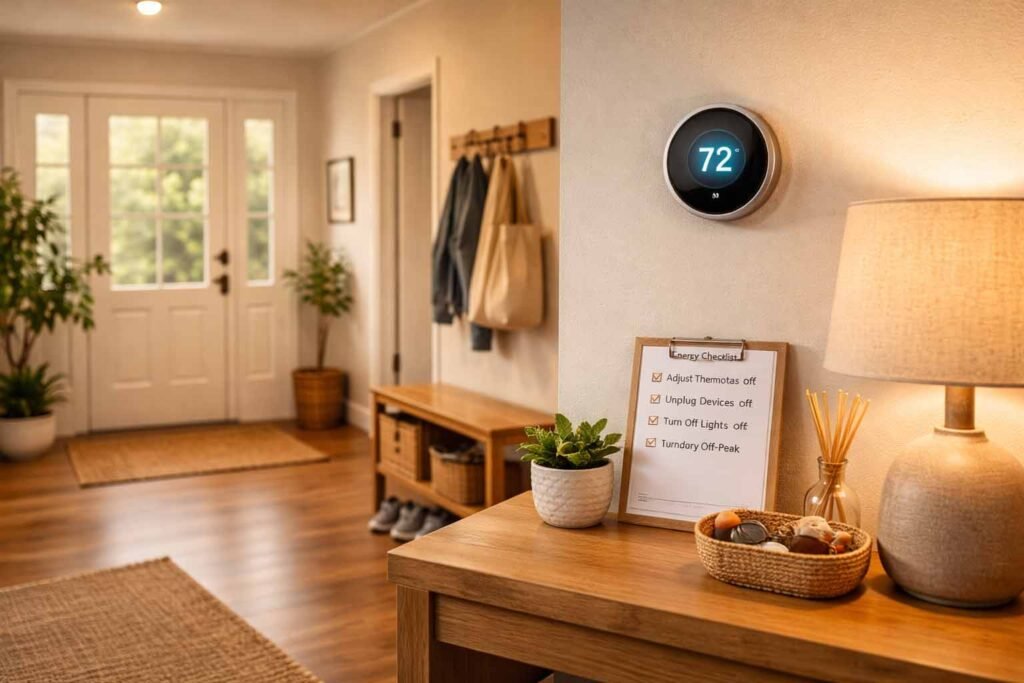
Lights, thermostats, leak sensors, and reminders reduce friction. This is smart home adoption as a practical layer, not a sci-fi dream. Privacy still matters, so households are getting more selective.
Smart home adoption and connected appliances
connected appliances like washers, thermostats, and air quality monitors are becoming more common. The goal is not complexity, it is fewer small problems.
Energy is a lifestyle topic now
What home upgrades save energy
The upgrades that matter most are often unglamorous: insulation, sealing leaks, LED lighting, and efficient appliances. This is home energy efficiency as a household strategy, not just an environmental statement.
Housing research platforms like Zillow influence these decisions because people compare utility costs, neighborhoods, and home features before moving or upgrading.
EV and home energy conversations are bleeding into lifestyle
Electric vehicles are part of household planning in many regions, and brands like Tesla and Rivian are frequently referenced when people talk about charging, range, and home energy decisions.
Travel and recreation, shorter trips, bigger meaning
People still travel, but many are more intentional about when and why.
Why experiences beat possessions
A key driver is experience-based spending, memories feel more durable than things, especially when homes already feel full. This also connects back to subscription fatigue and minimalist organization.
How people plan short getaways
Many households plan drivable trips, two to three days, lighter itineraries, off-peak timing. This is the rise of local travel weekends, travel that feels doable without a huge budget.
Platforms shaping travel decisions
Short trips are shaped by tools people already use. Lodging platforms like Airbnb influence destination choice, and ride services like Uber reduce friction once people arrive.
Outdoor recreation boom, the low-cost reset
The outdoor recreation boom is partly financial and partly emotional. Parks, hikes, lakes, and picnics are affordable ways to reset, connect, and move.
Community and family structure, rebuilding the “village”
When life feels expensive and busy, people look for support systems that do not require perfection.
What community living looks like today
what community living looks like today can be surprisingly simple: neighborhood chats, hobby clubs, local groups, shared childcare swaps, and civic spaces. This is community-based living in a modern format, less formal, more practical.
Multigenerational living becomes more common
multigenerational households are becoming more visible for reasons that are not hard to understand, costs, caregiving, cultural norms, and housing constraints. The households that do it well usually set boundaries early, divide responsibilities, and talk about privacy before conflict appears.
Generational nuance, who drives what
Broadly, Gen Z often accelerates boundary setting around tech and wellness, while Millennials frequently drive systems thinking around household logistics and budgeting, especially when children are involved. Both groups are shaping expectations about work, health, and “what is worth it.”
Pets are family, and the budget proves it
One of the clearest lifestyle signals is pet humanization, pets are treated like family members, not accessories.
How pets influence household spending
how pets influence household spending shows up in food choices, grooming, routine vet care, insurance decisions, daycare, and travel planning. It also shows up in how households budget, pets get a category now, not leftovers.
Practical tips
- Build a small pet sinking fund for predictable costs
- Compare options calmly, do not buy every upgrade
- Prioritize essentials first, food quality, routine care, safety
Creator-led commerce, trust moves from ads to people
People increasingly buy through relationships and proof, not just advertisements.
The new shopping funnel, community, proof, then purchase
This is creator-led commerce in practice: product discovery via creators, newsletters, short-form video, and community feedback. Substack is one example of how newsletters shape buying decisions because creators can build trust over time.
Payments and infrastructure make small creators feel like brands
The backend is now simple. Tools like Stripe make checkout and subscriptions easy for small creators, which means individuals can operate like businesses.
What this means for readers
Readers can stay smart without becoming cynical:
- Look for disclosure, and clear downside discussion
- Check return policies and warranty details
- Compare against at least one independent review
- Use a “wait 24 hours” rule for impulse buys
When this writer recommends anything, the standard is transparency, real testing, and clear downsides. If a recommendation sounds perfect, it usually is not.
Quick predictions, what to watch next, and how to use these trends
Here are practical takeaways, phrased as “do this” actions, not hype:
- Build a weekly money check-in, it supports new ways people budget at home.
- Treat renewals like bills, and end subscription fatigue before it grows.
- Use the secondhand economy for categories that do not need to be new.
- Define “value” for the household, which answers what value shopping means right now.
- Design weeks around energy, which is what hybrid work looks like day to day in reality.
- Set device rules adults follow too, this is best practices for healthier screen time that works.
- Use AI for structure and planning, that is how AI tools change home routines without replacing judgment.
- Choose one health routine and keep it for 60 days, that is how top wellness habits people actually keep are built.
- Plan food around defaults, it supports how to eat healthier on a busy schedule.
- Pick social plans that protect tomorrow, that is the logic behind alternatives to drinking when going out.
- Invest in small home fixes, they answer what home upgrades save energy.
- Schedule one simple outing weekly, it reinforces why experiences beat possessions.
A helpful frame is to treat lifestyle like an operating system: budgeting, sleep, movement, tech boundaries, community time, and a home routine that lowers friction. In 2026, the households that feel calm are not the ones with perfect circumstances, they are the ones with systems that match reality.
FAQs
FAQ 1: Are these trends mostly driven by inflation, or by culture?
Direct answer: In the U.S., it is both, cost pressure changes behavior, and culture then normalizes that behavior.
Expansion: When households face higher baseline expenses, they build systems like weekly budgeting and subscription audits. The practical step is to track recurring charges for 30 days, then cut what is not used.
FAQ 2: What are the easiest cost-of-living coping strategies that work in most U.S. cities?
Direct answer: The easiest wins are subscription cleanup, grocery planning, and renegotiating a few major bills.
Expansion: These work in big cities and smaller towns because they target recurring costs. Practical step: pick three categories to optimize this month, groceries, phone, and subscriptions.
FAQ 3: How does someone start value-driven shopping without obsessing over every price?
Direct answer: Start with a simple checklist, durability, warranty, return policy, and “will this still be useful in 6 months.”
Expansion: The goal is to buy fewer things with fewer regrets. Practical step: wait 24 hours before buying non-essentials.
FAQ 4: What is subscription fatigue, and how can it be fixed in one weekend?
Direct answer: Subscription fatigue is the feeling of paying for too many recurring services, often without using them.
Expansion: A weekend fix is possible with an inventory list and fast cancellations. Practical step: cancel anything not used in the last 30 days, then downgrade the rest.
FAQ 5: Is buying used safe, and what should people check before buying secondhand?
Direct answer: It can be safe when buyers check condition, authenticity, and return options.
Expansion: Many people buy used to save money and reduce clutter, but they should avoid high-risk categories where safety matters. Practical step: ask for clear photos, and verify the seller’s policies.
FAQ 6: What hybrid work lifestyle habits actually improve the day-to-day routine?
Direct answer: Protect deep-work blocks, batch meetings, and treat commute days as higher-energy-cost days.
Expansion: A predictable schedule reduces stress. Practical step: choose two “meeting days” and two “focus days” if the role allows it.
FAQ 7: What are realistic best practices for healthier screen time for families in the U.S.?
Direct answer: Device-free meals, a shared charging station at night, and notification cleanup.
Expansion: Families succeed when adults follow the same rules. Practical step: start with one rule for one week, then add another.
FAQ 8: How can wearable health tracking help without making someone anxious?
Direct answer: Wearables help most when used for trends, not perfection.
Expansion: People can ignore daily noise and focus on weekly averages. Practical step: set one metric to watch for 30 days, like sleep consistency, then reassess.
FAQ 9: What does the sober-curious movement mean, and how can someone handle social events without pressure?
Direct answer: It means being intentional about drinking, including choosing not to drink sometimes or at all.
Expansion: Many people use simple scripts and choose venues that make alternatives easy. Practical step: decide the plan before arriving, then order quickly.
FAQ 10: Why is creator-led commerce growing, and how can readers avoid being misled?
Direct answer: It is growing because people trust individuals and communities more than ads.
Expansion: Readers can protect themselves by checking disclosures, comparing sources, and waiting before buying. Practical step: look up return policies and search for one independent review before checkout.
Author Bio
Author bio: Jordan Whitaker is a consumer lifestyle writer who covers everyday spending habits, home routines, and the practical choices shaping modern American life. Published by Ahmed Saeed.