



Disclaimer: This guide is for general information only and does not replace professional legal, financial or housing advice. Renters should always review their own lease, local laws and building rules before making decisions.
Moving into a new place is exciting… and also the moment many renters suddenly realize they don’t actually have a real apartment move in checklist or any plan for what to do before moving into an apartment.
Instead of guessing under pressure, this guide works as a practical, step by step apartment move in guide that someone can literally print and keep on top of their cardboard moving boxes.
It’s designed to function as a first apartment essentials list and a new apartment moving checklist at the same time.
It walks through money, safety, paperwork, utilities, shopping, packing, and renter-friendly setup ideas in a way that helps renters feel in control, avoid common move in mistakes to avoid, and protect their security deposit from day one.
Apartment Move In Checklist – Step by Step Apartment Move In Guide
This section gives a high-level roadmap from 30–45 days before the move all the way through the first night.
Big Picture: How to Prepare for Your First Apartment
Anyone wondering how to prepare for your first apartment usually needs three pillars in place: money, documents, and logistics. A practical new tenant preparedness checklist keeps all three in sync:
- Money: A realistic budget planner for moving that includes more than just first month’s rent.
- Documents: A signed lease agreement plus any tenant handbook pages, addenda, and rules.
- Logistics: A confirmed moving truck rental, dates, times, and help for both packing and unloading.
Thinking about the entire apartment setup step by step—rather than as one overwhelming day—helps renters avoid rushing, overspending, or forgetting critical safety checks.
What to Do Before Moving Into an Apartment (30–45 Days Out)
The first month before the move is where the major decisions happen. A focused renter uses this period to decide what to do before moving into an apartment instead of leaving everything to the final week.
Key actions include:
- Researching neighborhoods and apartment essentials for renters such as commute time, noise, and parking.
- Reviewing and signing the lease agreement, then building a personalized lease signing preparation list so nothing is missed at the signing table.
- Confirming building rules directly with the apartment complex office: elevator reservations, quiet hours, trash and recycling, or whether a parking permit is required for residents or guests.
Common things people forget when moving into a rental at this stage include package locker rules, move-in elevator booking, trash chute location, and visitor parking rules. Writing these down early prevents last-minute surprises.
Money, Budget, and Deposits (Protection First)
Budget Planner for Moving and First Month Costs
A realistic money plan is the backbone of any organized move. Anyone learning how to set a moving budget you can stick to should include:
- Security deposit plus first (and sometimes last) month’s rent
- Application fees, pet deposits, or one-time admin charges
- The cost of a moving truck rental and any helpers
- Essential household items for new apartment such as basic kitchenware, bedding, and cleaning supplies
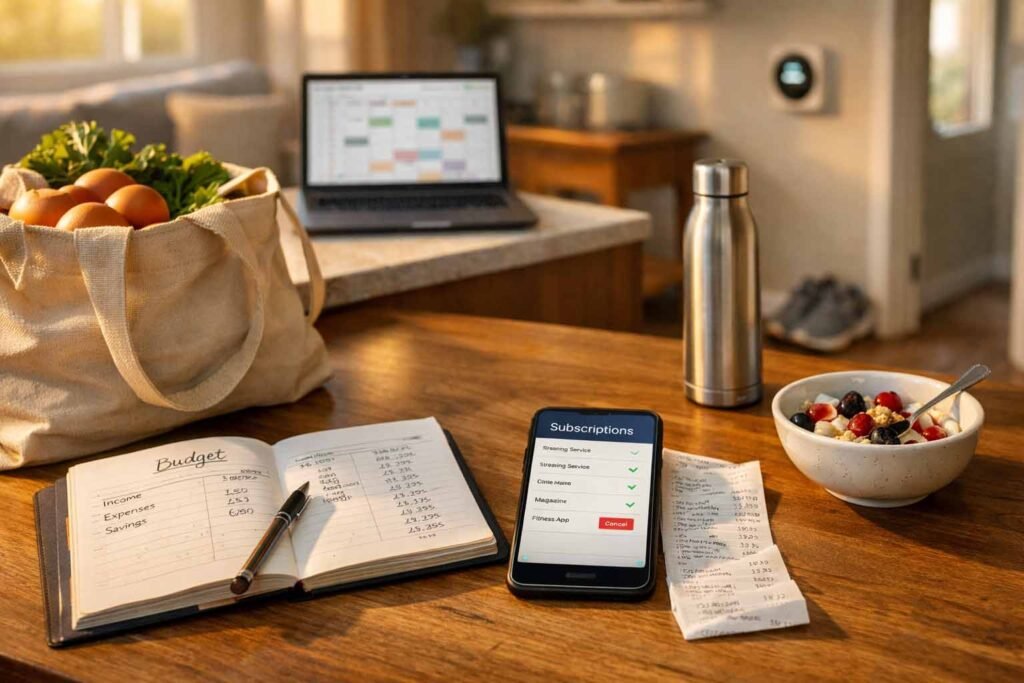
Putting these numbers into a simple budget planner for moving—even in a spreadsheet or notebook—helps renters see the full picture, compare options, and avoid swiping a credit card blindly on move-in day.
Security Deposit Protection Checklist
A renter who wants to safeguard their money needs a security deposit protection checklist from day one. The idea is simple: it’s easier to keep money than to fight to get it back.
That protection starts with a formal move in inspection form and a detailed condition checklist. Pairing notes with timestamped photos ensures there is a record of every stain, crack, or dent before anything new happens.
Storing this along with an emergency contact list (landlord, superintendent, and local emergency services) keeps crucial information in one place.
Understanding how to protect your security deposit from day one means documenting everything, communicating issues respectfully in writing, and keeping copies of all promises about repairs or replacements.
Renter’s Insurance Policy and Risk Management
A good renter’s insurance policy is another pillar of protection. It typically covers personal property, liability, and sometimes temporary housing in case of major damage.
Ideally it is active before move-in, and details are stored with a new renter documentation checklist that might include:
- Policy number and coverage limits
- Photos or videos of valuables
- The insurer’s phone number and claim website
This paperwork sits alongside rent receipts and deposit confirmations, ready if anything unexpected happens.
Admin & Utilities Setup (2–3 Weeks Before Move-In)
Utilities Setup for New Apartment
About two weeks before moving, renters can tackle utilities setup for new apartment so the lights and internet work on day one.
This typically includes:
- Listing the local utility providers for electricity, gas, water, and trash
- Choosing and booking an internet service provider in advance
- Following the instructions for how to set up utilities before move in, including move-in dates and the new address
Most companies allow online sign-up, and scheduling installation or activation 7–14 days before move-in avoids sitting in a dark or offline apartment.
Mail, Address, and ID Updates
Next comes the paperwork that follows someone everywhere they go. A simple change of address moving list helps with how to handle mail and address changes without forgetting any critical account.
Important items on this list include:
- Filing a postal address change
- Requesting a driver’s license address update where required
- Updating employer payroll records, banks, insurance, and shopping sites
Using folders and digital notes makes it easier to decide how to organize important documents after moving, such as labeling one folder for government, one for financial accounts, and one for personal subscriptions.
Paperwork: New Renter Documentation Checklist
A clean new renter documentation checklist keeps essential documents easy to find. This typically includes:
- The signed lease agreement, all addenda, and the tenant handbook
- The renter’s insurance policy declaration page
- Receipts showing payment of the security deposit and any move-in fees
- Email or chat screenshots recording promises about painting, repairs, or upgrades
All of this feeds into a simple plan for what paperwork to keep handy on move in day, such as a printed lease, ID, and instructions for picking up keys.
Shopping Game Plan – First Apartment Essentials List
Things to Buy for a New Apartment (Before vs After Move-In)
Instead of rushing down store aisles at random, renters can divide things to buy for a new apartment into two phases: “before” and “after”.
The “before” phase focuses on stability:
- Items that qualify as what to buy first for a new rental, such as a bed, basic cookware, a table and chairs, and decent lighting
- A focused basic furniture checklist for renters that avoids buying everything at once
- A few must have tools for new apartment tasks, such as a multi-tool, a basic tool kit, picture-hanging hardware, and a tape measure
The “after” phase covers decor, extra storage, and nonessential gadgets once the monthly budget feels comfortable.
Kitchen Essentials for Small Apartment
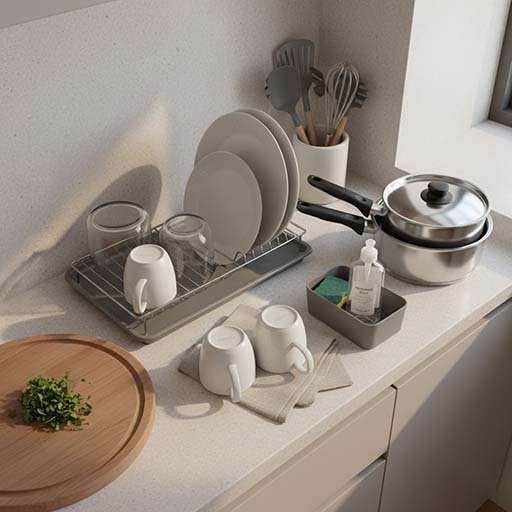
In a compact kitchen, residents lean on clever kitchen essentials for small apartment choices—items that do more than one job and store easily. That might mean a single good chef’s knife, a cutting board, one solid pan and pot, and collapsible strainers.
A portable cleaning caddy for dishes and counters keeps products together and avoids spills. A realistic move in grocery list and a simple plan for how to plan a grocery run after moving (focus first on breakfast, snacks, and hydration) help renters avoid relying on takeout for a week straight.
Bedroom Essentials for First Apartment
Comfortable sleep turns a bare unit into somewhere that actually feels like home. A short bedroom essentials for first apartment list usually includes:
- A bed frame or platform
- Pillow set, sheets, and comforter
- A protective mattress protector
- Simple nightstands and lamps
Good blackout curtains and a soft rug can make the space calmer and more restful without a big budget.
Bathroom Essentials List for Renters
For the bathroom, a simple bathroom essentials list for renters prioritizes function first:
- Towels, toiletries, and basic storage baskets
- A sturdy shower curtain liner and curtain
- A bath mat, plunger, and compact trash can
This keeps the bathroom fully usable on the first night, even if decor comes later.
Living Room Setup Checklist and Entryway Details
A thoughtful living room setup checklist stops the main room from turning into a box graveyard. Multi-use pieces—like a storage ottoman or coffee table with shelves—help keep clutter under control.
An entryway doormat, wall hooks for coats, and a tray for keys create a clear “landing zone” at the door. When paired with practical organizing tips for small apartment spaces and carefully chosen renter-friendly setup ideas, the living room stays livable even while some boxes are still waiting.
Packing Strategy So Move-In Day Doesn’t Break You
Move In Day Packing List and Smart Packing Hacks
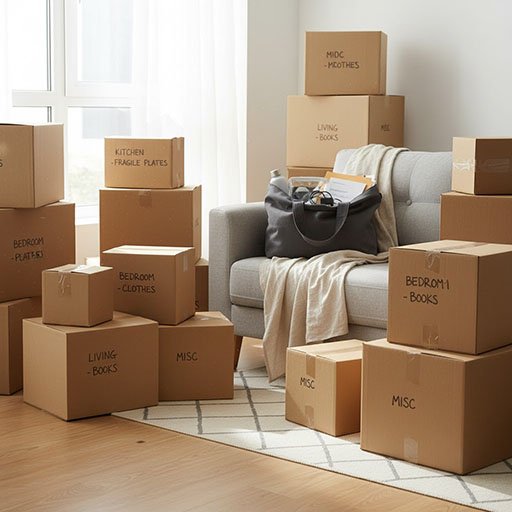
A clear move in day packing list focuses on everything that must be within arm’s reach during the move itself. This is where smart packing hacks for apartment moves shine.
One helpful approach is to:
- Use a color system by room
- Number boxes and log contents in a notes app
- Follow the best way to organize boxes for moving: mark “open first” on key boxes, such as bedding and basic kitchen gear
A designated moving day essentials bag holds medications, chargers, a change of clothes, toiletries, and important documents.
Moving Day Essentials Bag & Last Minute Moving Checklist
A clear last minute moving checklist ensures that nothing critical gets left behind. It typically includes:
- The packed moving day essentials bag
- Snacks and water
- Basic tools and cleaning wipes
With these items ready, it’s easier to complete simple move in tasks you can finish in one weekend, like assembling furniture, hanging curtains, and setting up Wi-Fi, without running back to the old place.
Supplies You Actually Need (No Overbuying)
Instead of filling a cart with every product on the shelf, renters can simplify by asking how many cleaning supplies do you really need for a functional move.
Core items include:
- A handful of sturdy cardboard moving boxes
- A hand truck or dolly for heavy loads
- A set of furniture sliders for rearranging pieces without scratching floors
- Tape, markers, and plastic wrap
Combined with a small cleaning caddy and that basic tool kit, this is usually enough for an efficient move without overspending.
Move-In Day: Walk-Through, Safety, and Cleaning
New Apartment Moving Checklist for the Walk-Through
On the actual day, renters should approach the unit with a new apartment moving checklist focused on inspection and documentation. This includes using a landlord walk through checklist, a rental move in inspection list, and creating a detailed tenant move in condition report.
The goal is to know what to check during apartment walk through: walls, floors, windows, appliances, plumbing, outlets, and locks. This is also a good time to keep a small list of questions to ask your landlord on move in day about trash pickup, mail, storage, and building rules.
How to Document Apartment Condition with Photos
Anyone wanting to avoid disputes later should know how to document apartment condition with photos. The basic process is:
- Take wide shots of each room
- Capture close-ups of damage or wear
- Note issues in the move in inspection form and the condition checklist
Saving everything in cloud storage ensures the files are safe, even if a phone gets lost or replaced.
Move In Cleaning Checklist Before Unpacking
Before furniture and boxes spread out, a cleaner can follow a simple move in cleaning checklist. Many people start with the bathroom and kitchen, then move to the bedroom and living room.
This is where a pre-planned cleaning supplies list for apartment pays off: an all-purpose cleaner, glass cleaner, mop, vacuum, microfiber cloths, and trash bags cover almost everything.
Safety: Renter Move In Safety Checklist
A focused renter move in safety checklist walks through the most important safety equipment in the home:
- Testing each smoke detector
- Confirming the carbon monoxide alarm works
- Locating the nearest fire extinguisher
- Identifying the circuit breaker panel
- Finding the main water shut off valve
Knowing how to test smoke detectors and alarms—usually by holding the test button and checking battery instructions—helps renters log the date and plan for future checks.
Reporting Problems and Using the Maintenance Request Portal
If anything is malfunctioning or unsafe, it’s essential to know what to do if something is broken on move in day. The best practice is to document problems with photos and then use the maintenance request portal or provided email.
Clear descriptions, attached photos, and polite follow-ups form the backbone of how to report maintenance issues as a new tenant. Keeping the phone number and email for the apartment complex office in the emergency contact list helps, too.
Move In Day Timeline (From Keys to First Night)
A simple move in day timeline follows a logical order:
- Pick up mailbox key, spare apartment keys, and any required parking permit
- Walk through the unit, take photos, and complete the condition checklist
- Do quick cleaning in the bathroom and kitchen
- Assemble the bed and basic bathroom setup
- Unpack one or two essential kitchen boxes
- Order or heat a simple dinner, shower, and rest
This approach keeps the day structured without being overwhelming.
Room by Room Moving Checklist and Unpacking Plan
Room by Room Moving Checklist Structure
A structured room by room moving checklist helps renters how to unpack faster after moving. By assigning boxes and tasks to specific spaces, progress feels visible and manageable.
Typically, this structure prioritizes:
- Bedroom and bathroom first (for comfort)
- Kitchen and food storage next
- Living area and decor last
Unpacking Plan for New Apartment (First 48 Hours)
A realistic unpacking plan for new apartment focuses on the first two days. Key goals include:
- Completing an easy first night setup in a new rental with the bed, charged devices, and basic toiletries
- Finishing simple move in tasks you can finish in one weekend, like setting up closets, organizing the pantry, and routing cables safely
- Using routines, lighting, and meaningful objects to support how to feel at home in your apartment faster

Renter Friendly Ways to Decorate Your New Place
Thoughtful renter friendly ways to decorate your new place transform a plain unit into a home without risking damage. Popular renter-friendly setup ideas include:
- Removable hooks and strips for art
- Rugs to define spaces and reduce noise
- Plants and soft lighting for warmth
All of this can align with organizing tips for small apartment spaces, ensuring decor adds comfort instead of clutter.
People, Pets, and Community
Tips for Moving Into an Apartment Alone
For solo renters, good tips for moving into an apartment alone include booking helpers for heavy items, planning meals, and scheduling breaks. A well-prepared solo mover labels boxes clearly, keeps water and snacks handy, and uses safe lifting techniques.
Move In Day Checklist for Pet Owners
A clear move in day checklist for pet owners keeps animals calm and safe. That often involves:
- Setting up a quiet room with familiar bedding and toys
- Keeping leashes, litter, and food in an easy-to-reach box
- Bringing vet records in case of emergencies
This approach reduces stress for both pets and humans.
Renter Tips for Meeting Your New Neighbors
Healthy community connections start with simple renter tips for meeting your new neighbors: a friendly greeting in the hallway, a quick introduction in the elevator, or a wave in the parking area. That sense of familiarity often supports how to feel at home in your apartment faster, especially during the first few weeks.
Common Move In Mistakes to Avoid (Experience-Based)
Move In Mistakes to Avoid
There are several recurring move in mistakes to avoid:
- Signing documents without fully reading the tenant handbook
- Skipping photos of pre-existing damage and later arguing about the security deposit
- Ignoring the details of a renter’s insurance policy or assuming it’s not needed
Planning ahead and documenting everything dramatically lowers the risk of these issues.
How to Avoid Common Move In Regrets
Residents who want to know how to avoid common move in regrets focus on three habits:
- Using checklists for money, safety, and paperwork
- Communicating issues early and in writing
- Setting up spaces intentionally instead of leaving boxes untouched for months
A bit of planning upfront saves months of frustration later.
One-Page Print & Go Checklist
Printable Apartment Move-In Master List
A compact page that combines a first apartment essentials list, a new apartment moving checklist, and a rental move in inspection list makes move-in day much easier.
This consolidated sheet groups tasks into:
- Money and deposits
- Admin and utilities
- Shopping essentials
- Packing and supplies
- Walk-through and safety
- Room-by-room unpacking
Renters can tick each item as they go and keep the sheet near the entrance.
Quick Reference: Who to Call and Where Things Are
Alongside the master list, a brief panel with a current emergency contact list is handy. It typically includes:
- Landlord or property manager
- The apartment complex office
- Utility hotlines
- The locations of the circuit breaker panel, water shut off valve, and fire extinguisher
This small addition can make a major difference during stressful moments.
FAQs – Apartment Move-In Checklist (Print & Go)
FAQ 1 – What should someone do first before moving into an apartment?
The first step is clarifying what to do before moving into an apartment: read the lease carefully, estimate costs, create a budget, and reserve moving services. From there, how to prepare for your first apartment becomes a matter of following a realistic timeline instead of leaving everything to the last week.
FAQ 2 – How should utilities be set up before move-in day?
Renters wondering how to set up utilities before move in can start by listing the relevant utility providers for electricity, gas, and water, then booking an internet service provider appointment or self-install kit. Scheduling activations a few days before move-in helps avoid delays.
FAQ 3 – What’s the best way to organize boxes for an apartment move?
The best way to organize boxes for moving is to label by room, number each box, and keep a brief contents list in a notes app. Combining this with smart packing hacks for apartment moves, like using towels to cushion fragile items, speeds up unpacking and helps prevent damage.
FAQ 4 – How many cleaning supplies are really needed for a new apartment?
For most renters asking how many cleaning supplies do you really need, the answer is “fewer than you think.” A basic kit with multi-surface cleaner, glass spray, a mop, vacuum, and a few cloths will handle nearly every task on a cleaning supplies list for apartment spaces.
FAQ 5 – Which paperwork should stay handy on move-in day?
Anyone unsure what paperwork to keep handy on move in day should prioritize the lease, ID, payment confirmation for the security deposit, and contacts for the landlord or property manager. A simple system for how to organize important documents after moving—folders or envelope files—ensures nothing gets lost.
FAQ 6 – How do renters test smoke detectors and other safety devices?
Knowing how to test smoke detectors and alarms is essential: press and hold the test button and listen for the alert, then follow manufacturer guidance for battery changes. It is equally important to locate the carbon monoxide alarm and nearby fire extinguisher and check that both are in good condition.
FAQ 7 – What should be done if something is broken at move-in?
If damage or issues are discovered, the next step is what to do if something is broken on move in day: take photos, describe the problem, and submit a request through the maintenance request portal. That process illustrates how to report maintenance issues as a new tenant while keeping a clear paper trail.
FAQ 8 – How can a new apartment feel like home more quickly?
Anyone wondering how to feel at home in your apartment faster can focus on routines, familiar decor, and small comforts. Combining cozy textiles, personal photos, and renter friendly ways to decorate your new place helps the space become emotionally comfortable, not just functional.
FAQ 9 – How can the first night in a new rental be easier?
An easy first night setup in a new rental usually comes from having an essentials bag ready: bedding, toiletries, clothes, chargers, and snacks. When this is paired with the prepared moving day essentials bag, the first night feels calm instead of chaotic.
FAQ 10 – How do renters avoid common move-in regrets?
To understand how to avoid common move in regrets, renters can rely on checklists, clear communication, and documentation. Following structured plans, including the master checklist and inspection forms, helps ensure important tasks aren’t missed and reduces problems with deposits and repairs later.
Author Bio:
Karol shares practical renter checklists and move-in tips based on real-world experience. Published by Ahmed Saeed, who curates helpful, AdSense-safe guides for everyday life in the U.S.